Undiscovered Treasuresof Eastern Slovakia
Few foreign visitors know that 131 years ago, in the summer of 1895, Empress Elisabeth of Austria, wife of Emperor Franz Joseph I, better known as Sisi, chose Bardejov Spa in north-eastern Slovakia for her spa stay. The spa, located about 20 kilometres from the Polish border and 70 kilometres from the Ukrainian border, was at that time far from the major European capitals. The Empress spent exactly three weeks here, from 1 to 22 July 1895. At the age of 57, she came here to rest and undergo spa treatment.
Sisi Was Looking for Tranquillity in Bardejov Spa
After difficult years, marked also by the tragic death of her only son Rudolf in 1889, the Empress was looking for tranquillity, recovery and an escape from court life. Bardejov Spa offered her mineral springs, spa treatments and, above all, a quiet setting surrounded by nature.
Today, we can follow in her footsteps and discover places that still remind us of her visit. Our journey begins where Sisi temporarily stayed more than a century ago and gradually takes us to historic Bardejov, to the world of Eastern Christian icons, to the High Tatras and finally to another woman who was close to her – Countess Irma Sztáray.
First Stop: Hotel Deák, Today’s Alžbeta Spa House
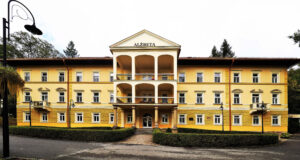
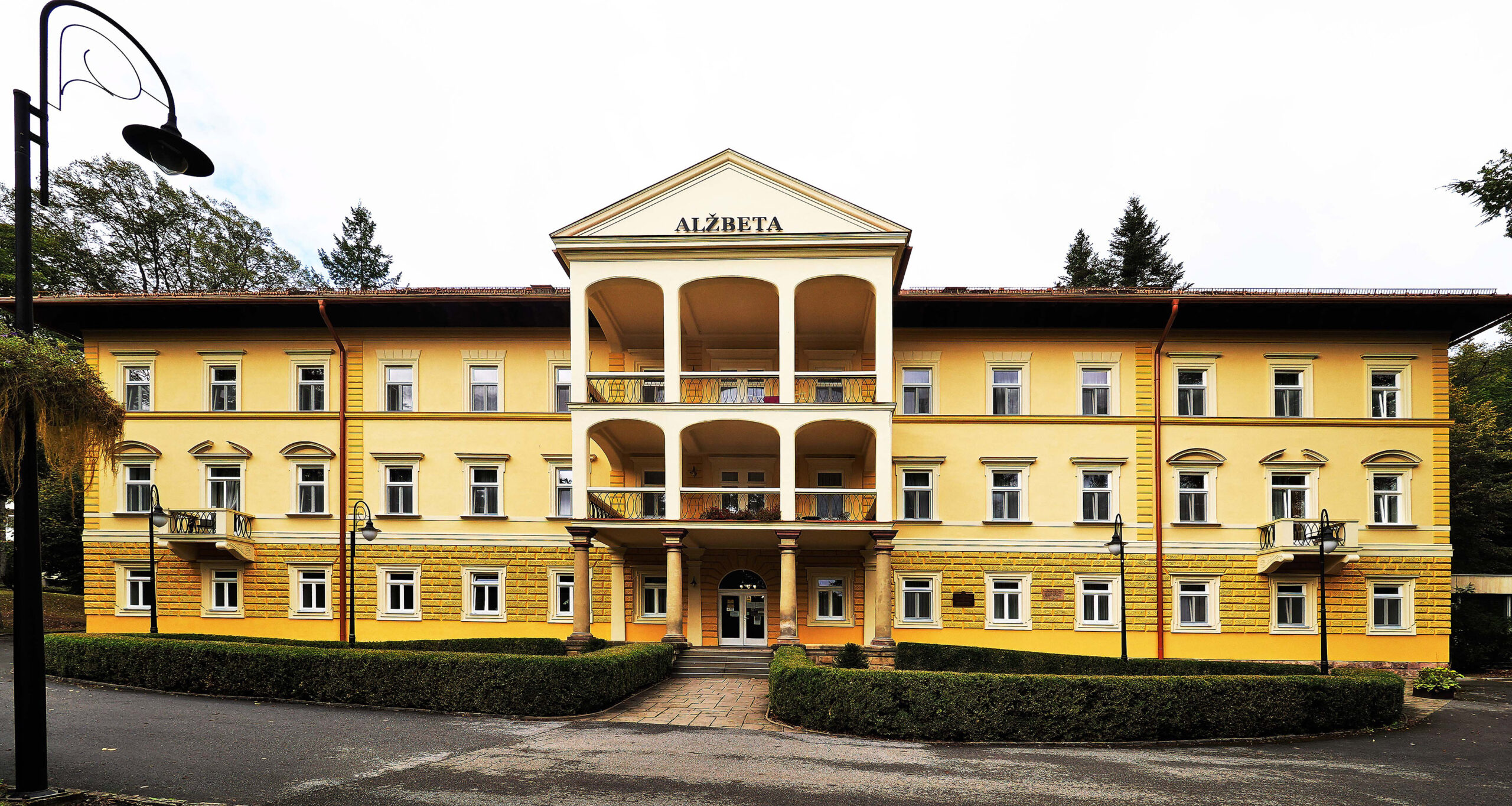
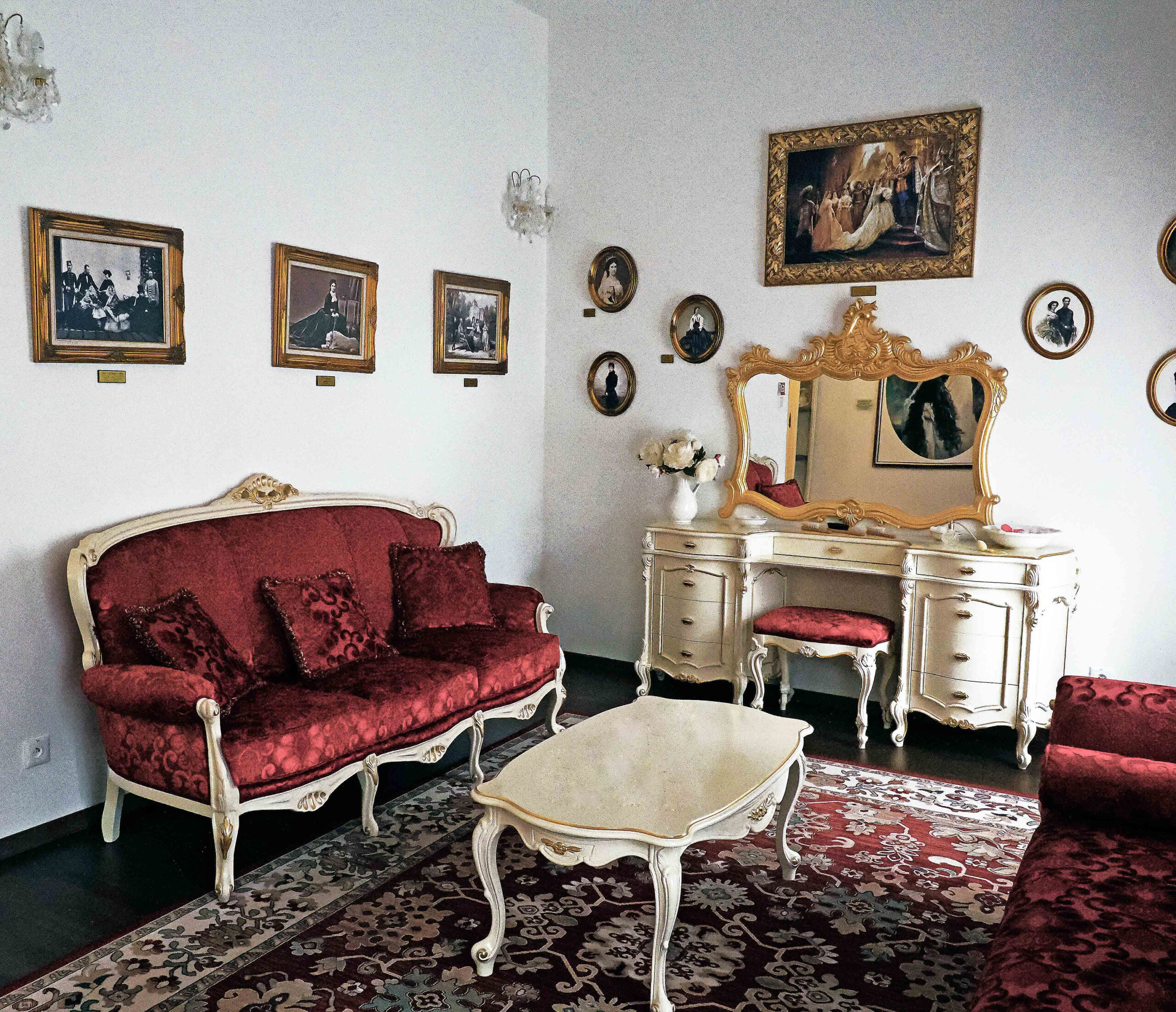
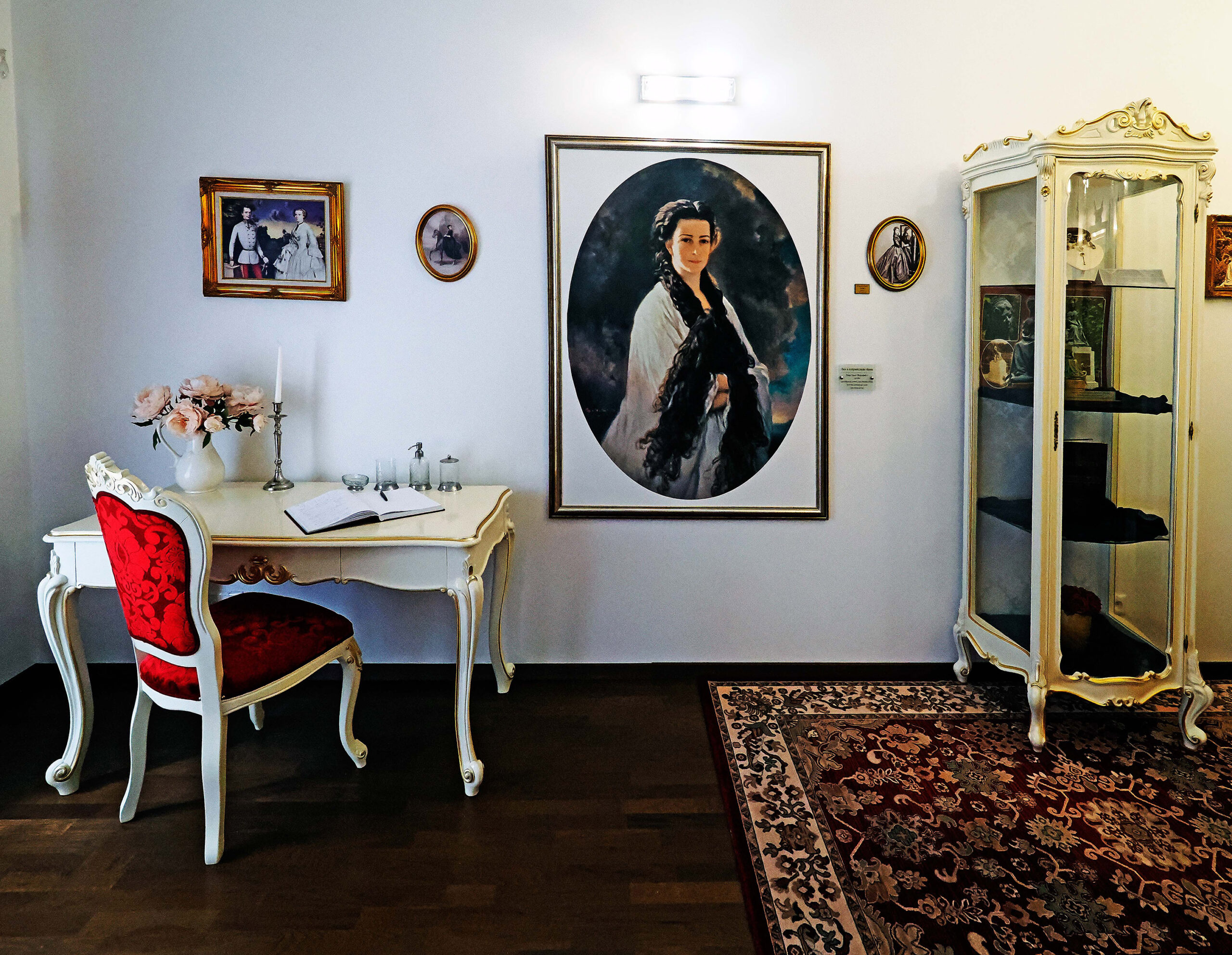
Imagine an empress arriving at a spa resort after a long journey, far away from the busy streets of Vienna. Her temporary home was Hotel Deák, today known as the Elisabeth´s House. Sisi was lodged on the first floor with her eleven-member entourage and even had her own private side entrance. Among her companions was Count Franz Bellegarde, the chief administrator of the imperial court, known as the Obersthofmeister. Her apartment consisted of a salon, a boudoir and a bedroom.
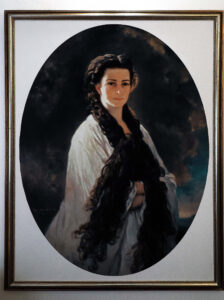
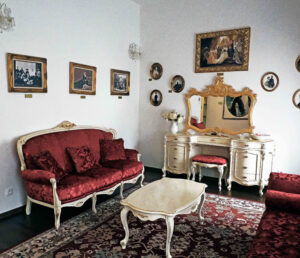
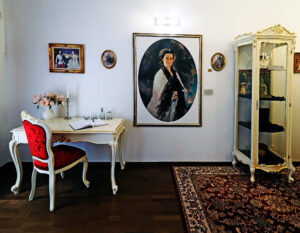
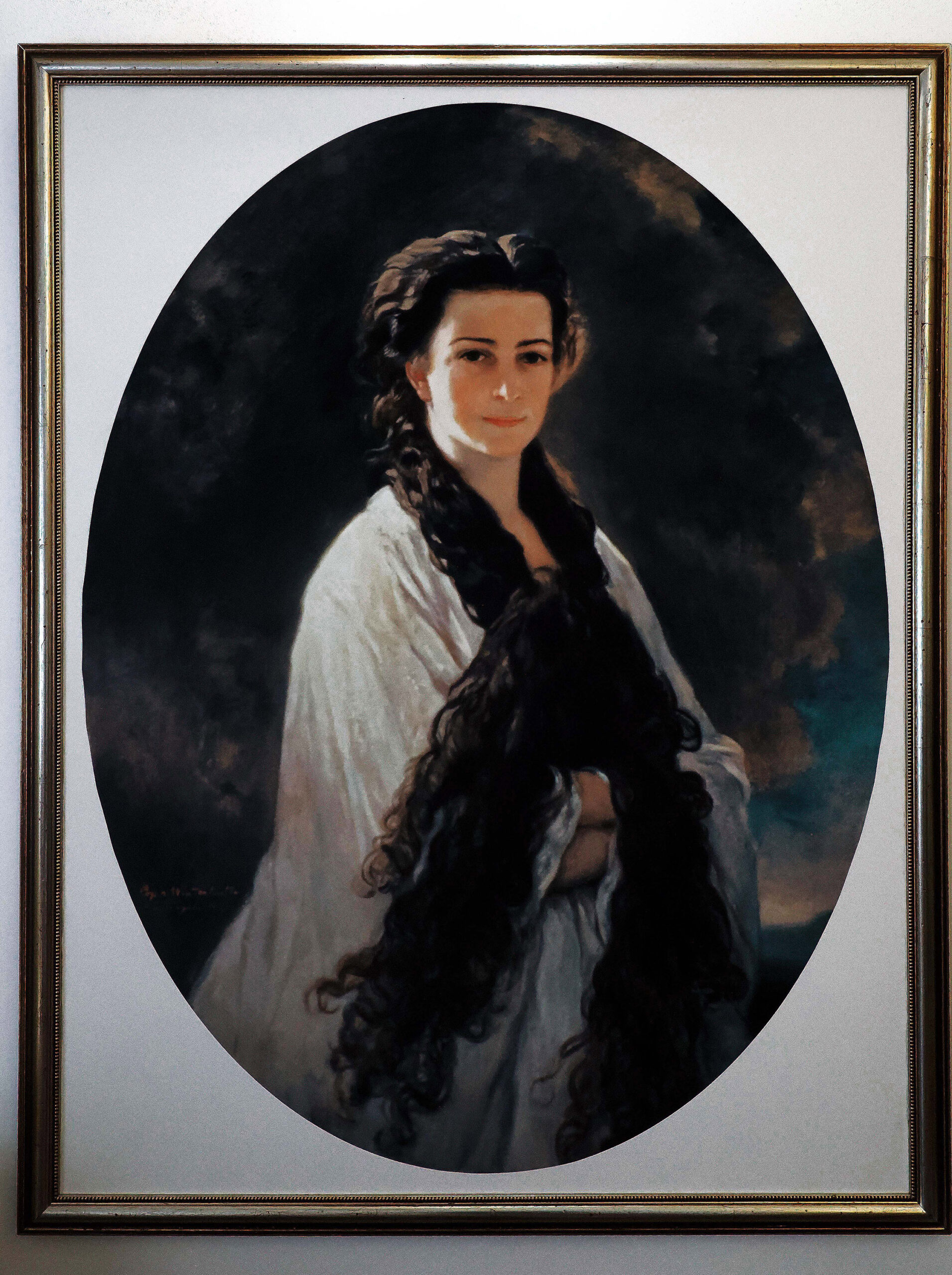
Today, visitors can get a glimpse into this world in the Sisi Museum Apartment. Period furniture, photographs and objects or replicas connected with the Empress give an idea of what her stay may have looked like. Among them there is a replica of her ruby necklace and a glass from which, according to tradition, she drank the mineral water.
Those who want to experience the atmosphere of Sisi’s visit even more closely can also stay at the Alžbeta (Elisabeth´s) Spa House. This historic building still offers guests the chance to spend a night in the very place where the Empress lived 131 years ago.
The Empress In Bronze
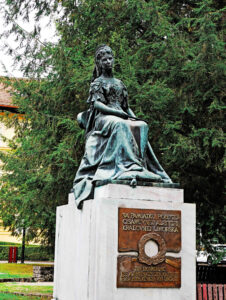
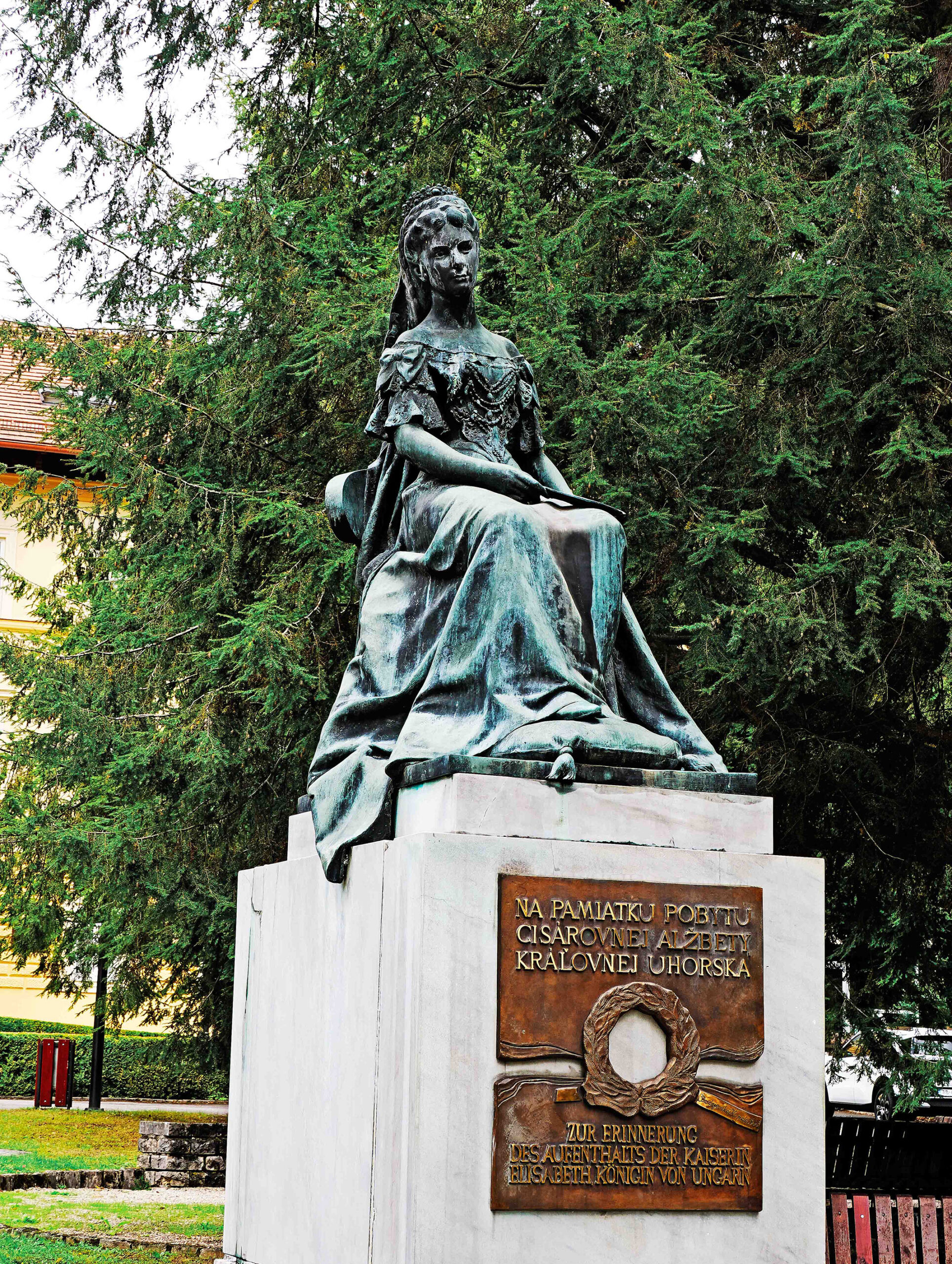
Bardejov Spa has not forgotten its famous visitor. In front of the Alžbeta Spa House stands a bronze statue of the Empress, created in 1903 by Július Donáth, the sculptor .
Sisi is portrayed as a young and lively woman. According to tradition, she felt much better and invigorated after her spa treatment that, when leaving, she said she felt as if she were eighteen years old. Donáth was personally present when the statue was installed – only eight years after the Empress’s visit.
A Walk Through The Places She Loved
If you do not want to stay only within historic walls, follow the educational trail “Sisi and Her Stops”. The route is about 2.3 kilometres long, has seven stops and leads through the spa’s forest park. As you walk, you can imagine the Empress taking her own walks here – far from court ceremonies and public attention, surrounded by the quiet nature of the spa.
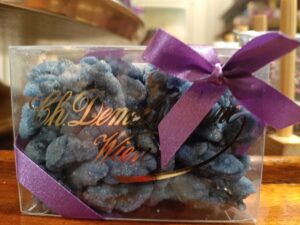
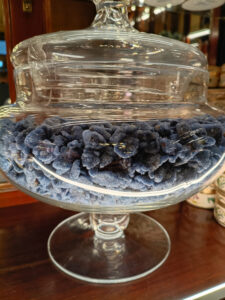
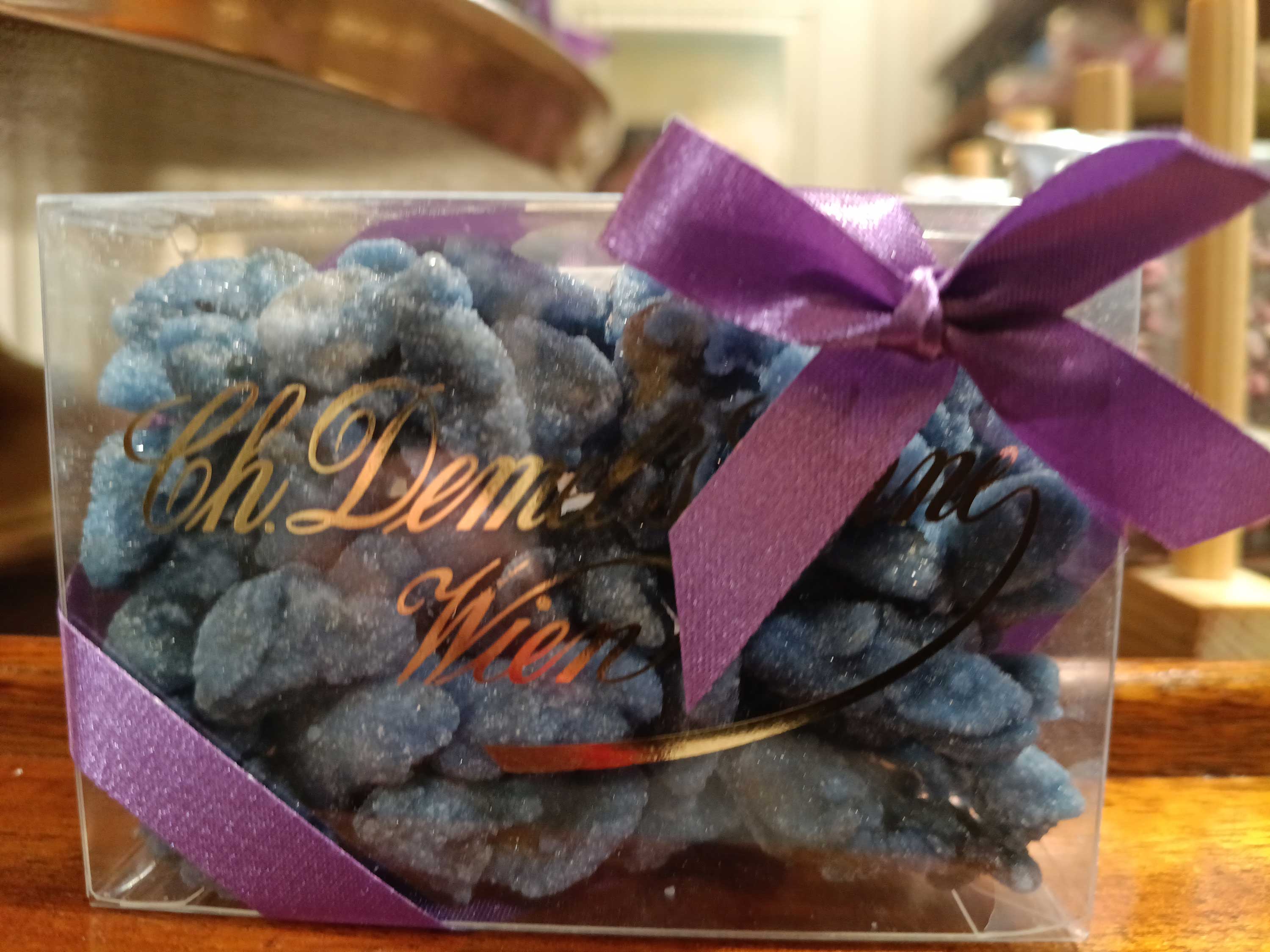
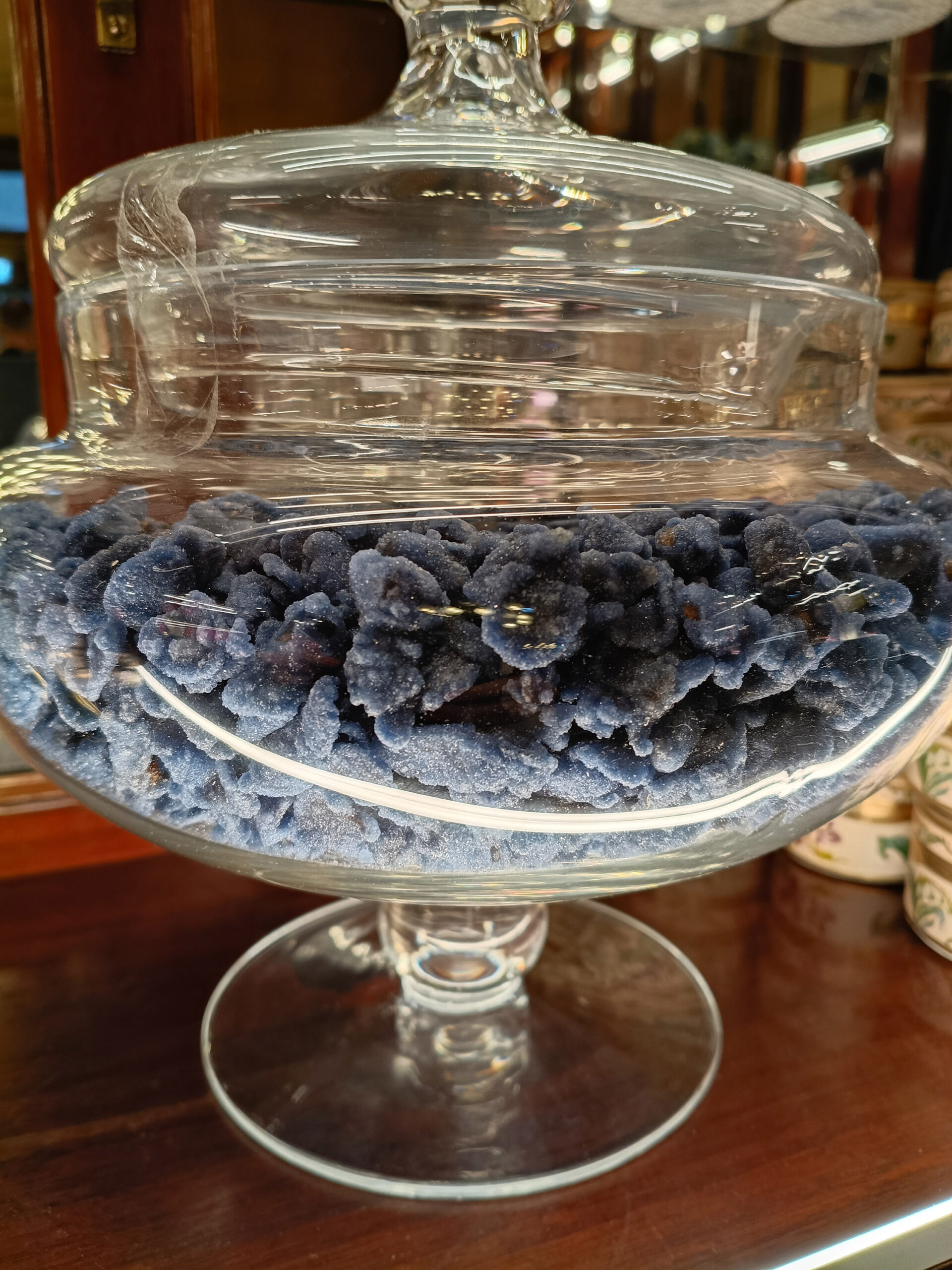
After your walk, you can enjoy a violet lemonade at the SISI Café in Hotel Ozón. It is made of violet syrup, lemon and mint. Candied violets were among Empress Elisabeth’s favourite treats, and the Viennese confectionery Demel supplied them to the imperial court – and still produces them today.
But violets are not the only reminder of Sisi. There is also the spa spring that now bears the name Alžbeta. Because of its low sodium content, it has proved useful in the treatment of liver diseases. During the Austro-Hungarian Monarchy, the healing spring was called Lobogo. On the recommendation of her doctor, the Empress was to include Lobogo water in her drinking treatment.
At the spa colonnade, you can also taste water from other local springs, which are mainly used for the treatment of digestive disorders.
From Sisi to Icons: An Unexpected Connection with Vienna
Among Sisi’s companions at the spa was the Greek lecturer Konstantinos Christomanos. He accompanied her on some of her walks and read to her in Greek.
This seemingly small detail opens another, somewhat unexpected chapter of our journey – the world of Eastern Christian icons. As the wife of Franz Joseph I of the Habsburg dynasty, the Empress also had an indirect connection to the story of Greek Catholic icons.
A direct ancestor of Franz Joseph I, Emperor Leopold I, ordered a miraculous Greek Catholic icon of the Virgin Mary with the Child to be brought from a small Hungarian town Máriapócs to Vienna in 1697. The icon had become famous for its alleged miraculously shedding tears in 1696. On 1 December 1697, it was placed in St. Stephen’s Cathedral in Vienna and its whereabouts have remained unchanged since. Experts classify it as belonging to the Hodegetria iconographic type. In this type, the Mother of God points towards Christ as the “Way”.
The Iconostasis From Zboj
A similar world of icons can be discovered directly in Bardejov Spa. The local open-air museum is home to the wooden Greek Catholic Church of St Nicholas, which was moved here from Zboj in the Snina district. Its valuable Rococo iconostasis dates from 1766.
Another remarkable building in the open-air museum is the wooden Church of the Protection of the Most Holy Mother of God. Until several decades ago, it stood in the village of Mikulášova in the Bardejov district.
These churches are reminders of the centuries-old tradition of Eastern Christianity and the culture of the Rusyns and other inhabitants of north-eastern Slovakia.
For more icons, it is worth continuing to the Šariš Museum in Bardejov. Its exhibition “Icons of the Šariš Museum” presents the long development of Carpathian icon painting from the 16th century to the present day. Visitors can also discover Hodegetria-type icons here.
Bardejov – a City Of Sisi And Master Paul
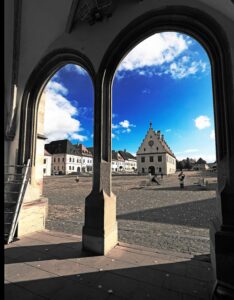
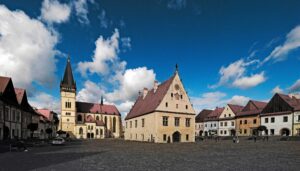
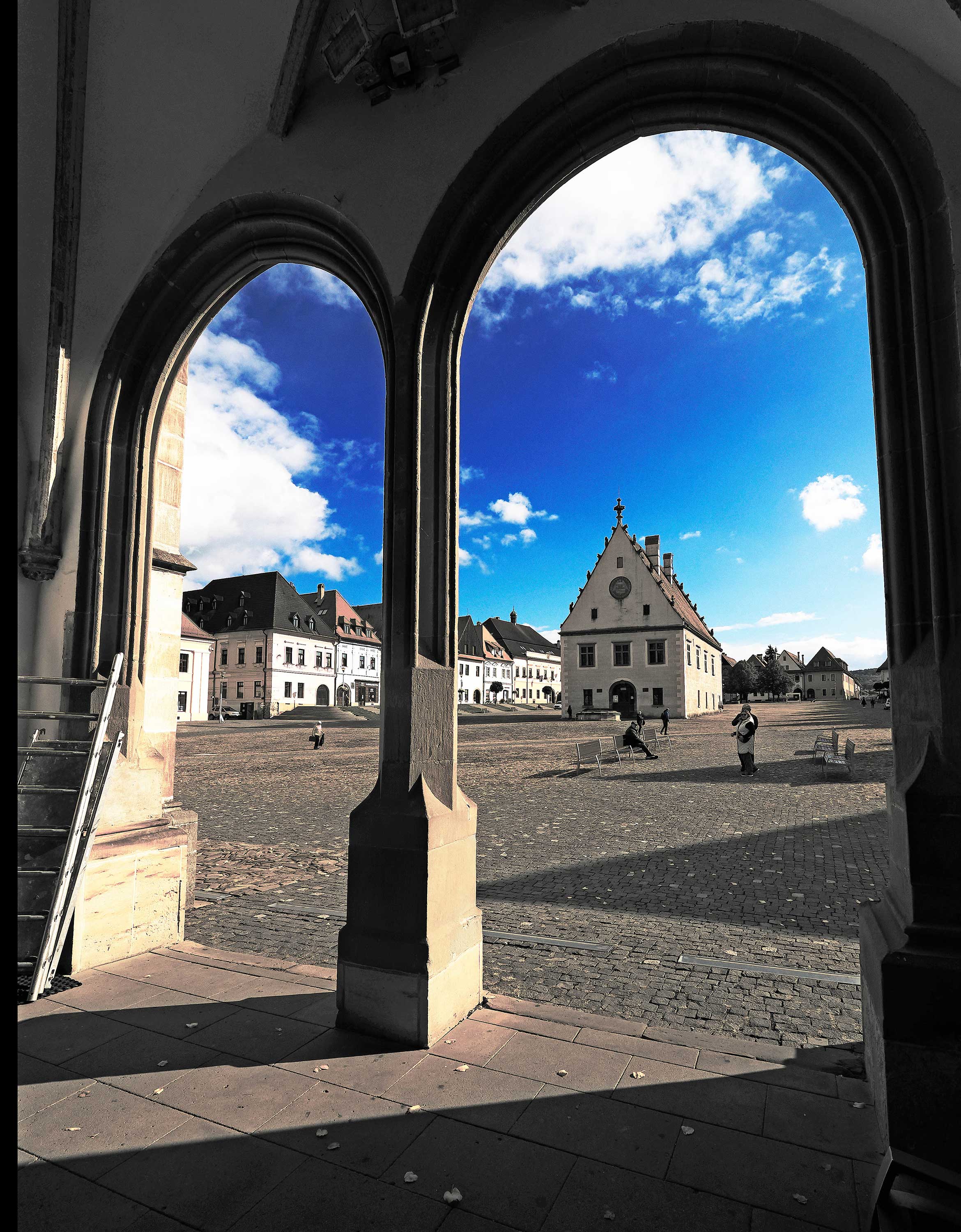
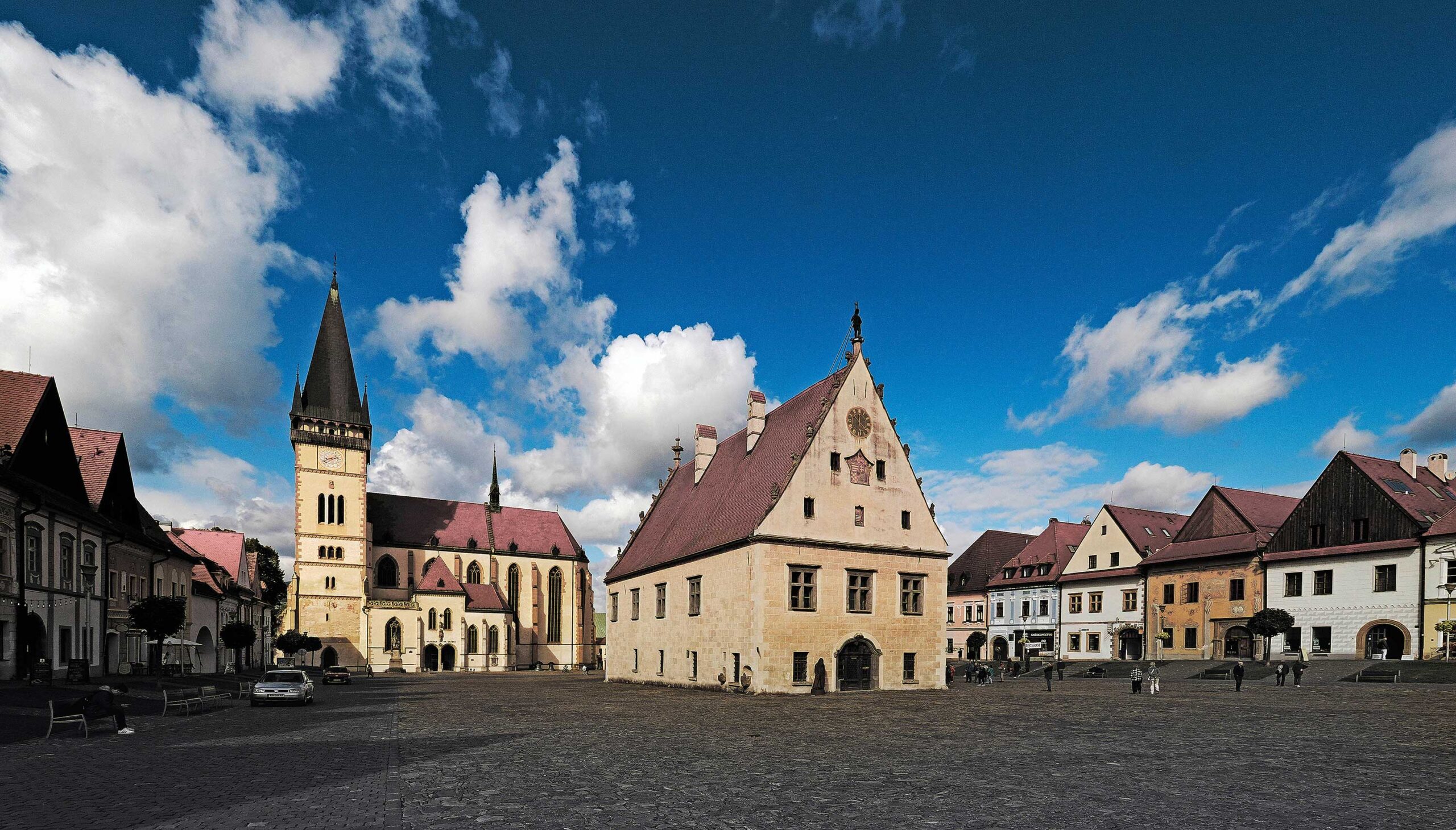
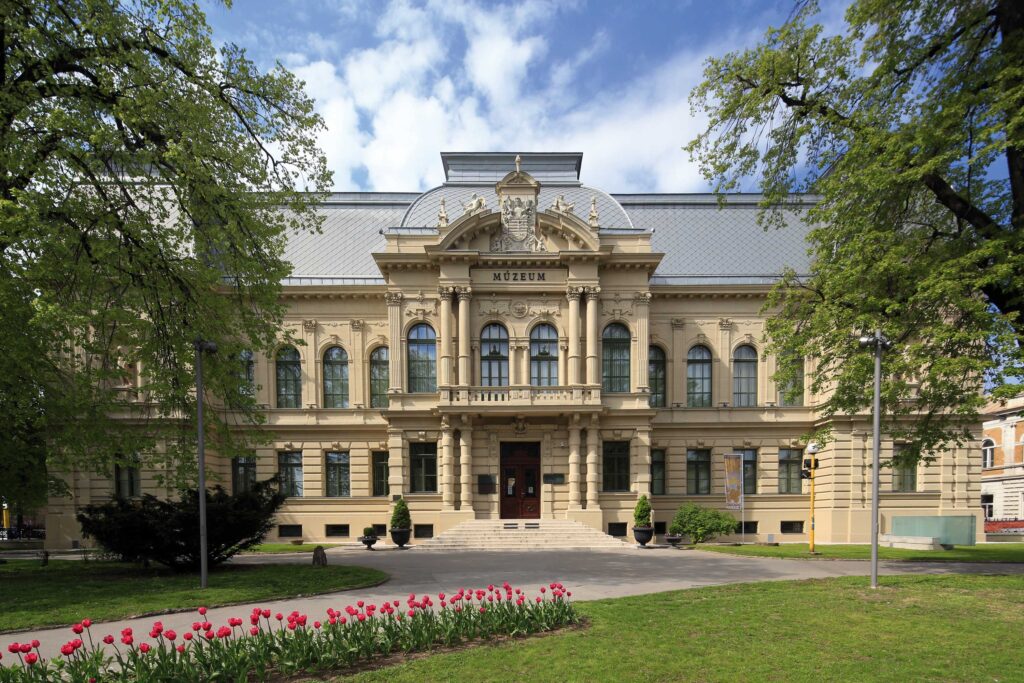
From the spa, let us now move to historic Bardejov. During her stay, the Empress visited the town and also entered the Minor Basilica of St Egidius.
According to tradition, she was so impressed by the church that, as a sign of gratitude, she gave Bardejov’s provost Anton Korányi a diamond ring. Today, the ring is displayed in the historical exhibition of the Šariš Museum, “The Free Royal Town of Bardejov”.
Inside the basilica, visitors will find one of Bardejov’s greatest treasures – a unique collection of eleven late Gothic winged altars dating from the 15th and early 16th centuries. Other highlights include the Corpus of Christ from the Little Calvary, attributed to Master Paul of Levoča, and a valuable Golgotha statuary from the late 15th century.
Bardejov was granted the status of a free royal town in 1376. Its preserved historic centre, fortifications and other monuments, together with the Jewish Suburbium, were inscribed on the UNESCO World Heritage List in 2000.
Behind the town walls, visitors can find a preserved complex of Jewish monuments, including the Old Synagogue, a mikveh and a bet midrash.
From Šariš to the High Tatras – The Spirit of the Monarchy
If you want to continue the story, your journey can take you to Tatranská Lomnica. Lomnica Hotel opened in 1894, just one year before Sisi’s stay in Bardejov Spa. Its original architecture is a perfect reminder of the period in which the Empress lived.
And once again, we find a connection with Vienna. The important Spiš architect Gedeon Majunke studied there. In 1893, he designed and built the hotel. Thanks to its distinctive Tatra-style architecture, Hotel Lomnica is still a national cultural monument today.
Only a few weeks after Elisabeth left Slovakia, the railway to Tatranská Lomnica opened on 1 September 1895. The railway helped speed up the development of the Tatras as a tourist destination in the Austro-Hungarian Empire.
But the end of the Monarchy was slowly approaching. In the year of 1918 Czechoslovakia was established and Lomnica Hotel also changed with the times. During the socialistic period, the Hotel operated as a state-owned hotel, and its history also became connected with the Tibava wine cellar.
Today, the hotel recalls its Habsburg past through its Sissi and Franz Josef restaurants where guests can admire portraits of the imperial couple. The wine bar belonging to the restaurants should, according to the tradition of the past, still offer typical wines from eastern Slovakia from Tibava and Orechová. These vineyards are located in a wine-growing region near Sobrance.
And it is precisely Sobrance that leads us to another important connection with Sisi – the traces of her lady-in-waiting, who was with the Empress in Geneva and witnessed a violent attack and her death in September 1898.
The Final Chapter: Empress Sisi’s Lady-in-Waiting Irma Sztáray
To conclude our journey through the Slovak traces of Empress Sisi, we will follow the footsteps of Countess Irma Sztáray, one of Empress Elisabeth’s closest companions and ladies-in-waiting.
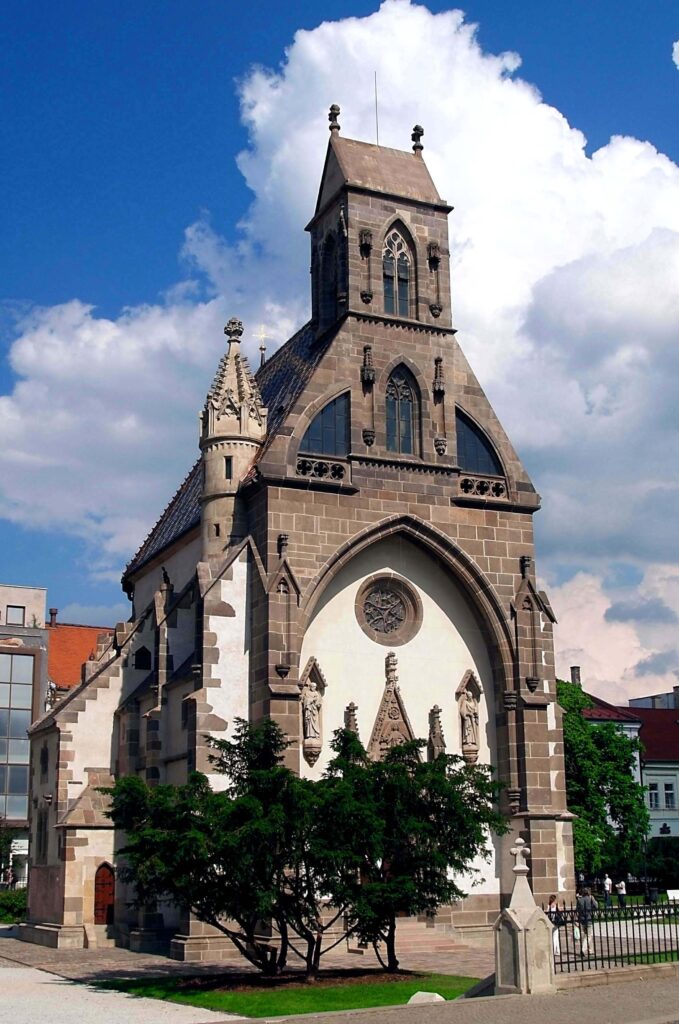
Irma came from a branch of the noble Sztáray family, which was connected with the village of Staré near Michalovce. Her relative, Count Anton Sztáray, had a Neo-Gothic Chapel of St Anthony of Padua built on the top of Hrádok hill in Michalovce. It was originally intended as the family tomb of the Sztárays.
The chapel was completed and consecrated in 1898 – the same year that would forever connect Irma Sztáray’s name with the tragic fate of Empress Elisabeth.
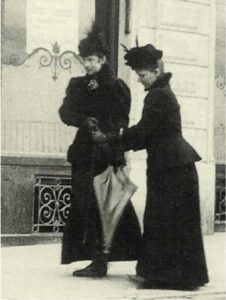
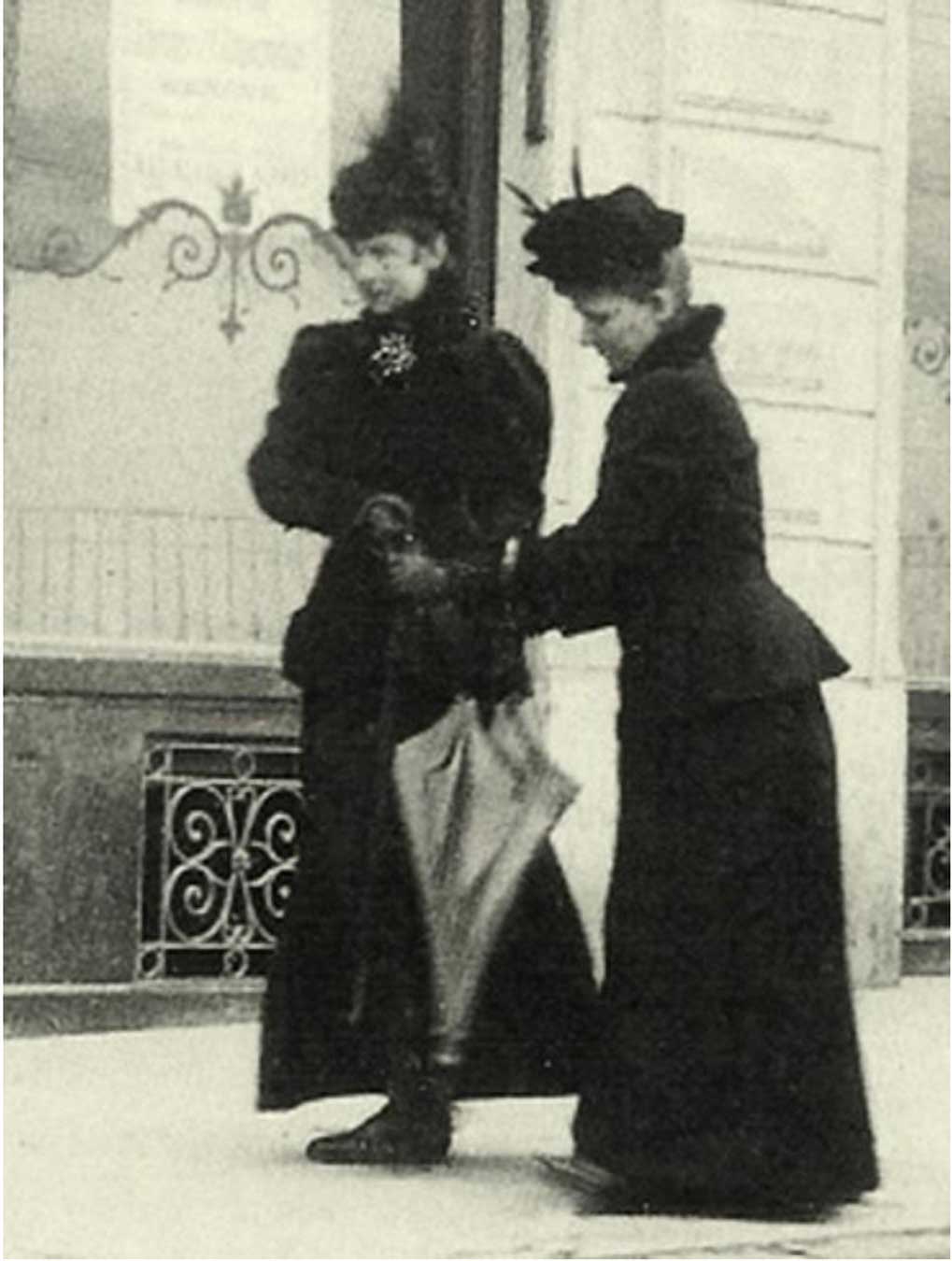
Irma Sztáray was accompanying Sisi when the Empress was assassinated on 10 September 1898 in Geneva. They were walking together along the Quai du Mont-Blanc towards the boat that was to take them back to Montreux.
Suddenly, an Italian worker and anarchist named Luigi Lucheni approached the Empress and stabbed her in the heart area with a sharp file. Sisi fell to the ground, but Irma and people nearby helped her to her feet, and the Empress continued towards the boat.
It was only on board that Irma realised how serious the situation was and that Lucheni’s blow with the file had been fatal. The boat immediately returned to the harbour, and the Empress was taken back to the Beau-Rivage Hotel, where she had been staying in Geneva. She died there shortly afterwards.
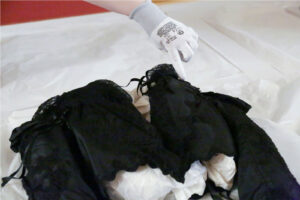
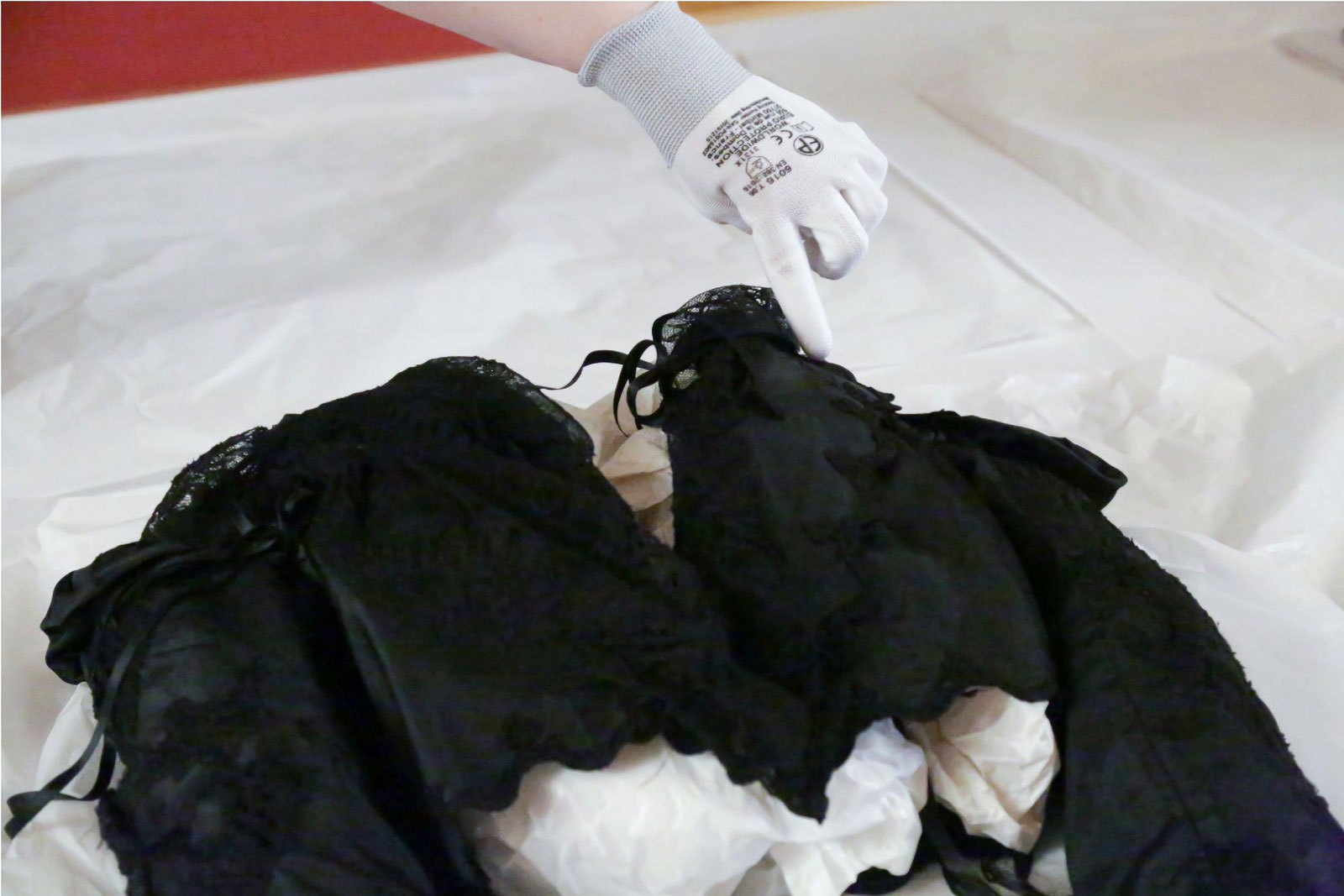
For nine years after the assassination, Irma Sztáray kept a black bodice belonging to the Empress in Sobrance Manor. The bodice had been pierced by the file and was the garment Elisabeth was wearing at the moment of the attack. For the Countess, it was a precious relic connected with Sisi and her tragic death.
Later, in 1907, Irma donated the bodice to the Queen Elisabeth Memorial Museum (Erzsébet Királyné Emlékmúzeum) in the grounds of Buda Castle in Budapest. It later became part of the collections of the Hungarian National Museum (Magyar Nemzeti Múzeum – see photo).
The bodice was made of black silk and decorated with black lace along the edges. The Empress had chosen this mourning colour almost as if she subconsciously felt that, dressed in black, she would end her earthly journey that very day.
It is thanks to Irma Sztáray of Sobrance that visitors can admire Sisi’s bodice in the Budapest museum today as a rare material reminder of the Empress’s final moments.
After the assassination of Sisi, Countess Irma Sztáray lived in Sobrance for almost another 42 years. She died there on 3 September 1940. Her grave can be found today in the Sobrance town cemetery at 44 Slovenského národného povstania Street.
And here, our journey through the Slovak traces of the noble Sisi and her loyal lady-in-waiting Irma in eastern Slovakia comes to an end.
by Daniela Capcarová ©
photos by Bartolomej Cisár